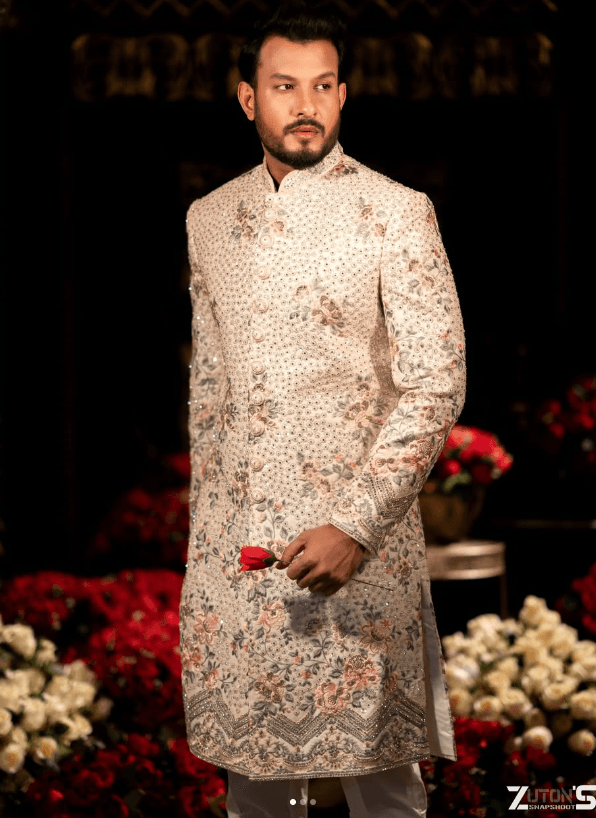
A city outfit is tested outside the photograph. It has to work on a staircase, in a crowded doorway and during the few minutes between a meeting and the next bus. This fictional style feature begins with those transitions. Instead of assembling clothes for one perfect frame, it asks what makes an outfit remain comfortable and expressive over several different hours.
The imagined day starts with a loose shirt, straight trousers and shoes already broken in. A small bag keeps important things within reach while a light layer handles changing indoor conditions. The pieces are intentionally familiar. Their interest comes from a clear proportion and one confident colour, rather than the effort of introducing an unfamiliar item at every point.
Proportion meets practicality
Balance is easiest to assess while moving. If a longer top overwhelms the trousers, try changing the visible length at the waist. If a structured jacket restricts a relaxed outfit, consider whether its sleeve or shoulder is the problem. Small adjustments can make an existing combination feel deliberate without turning the morning into an elaborate styling session.
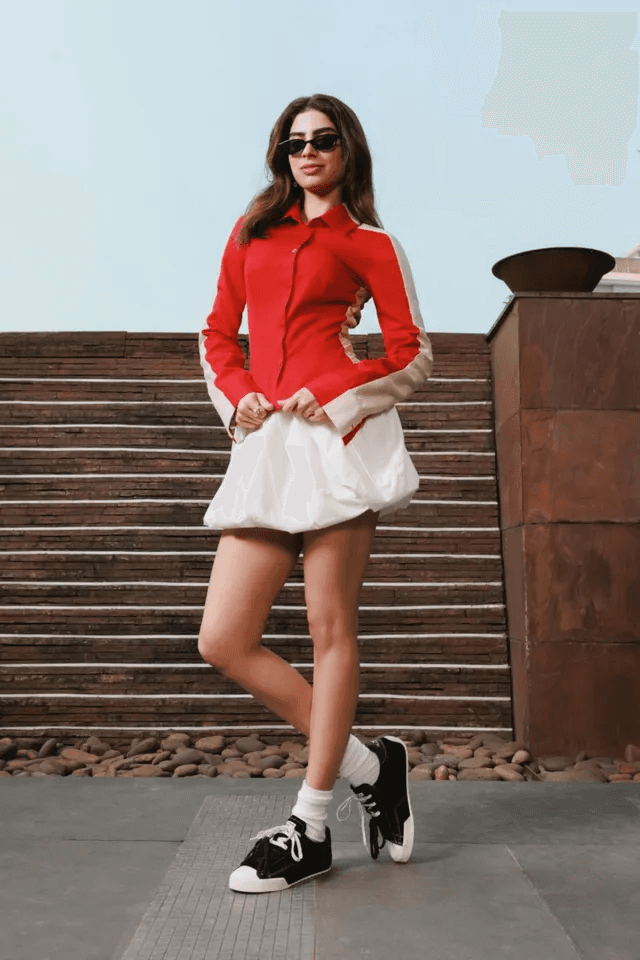
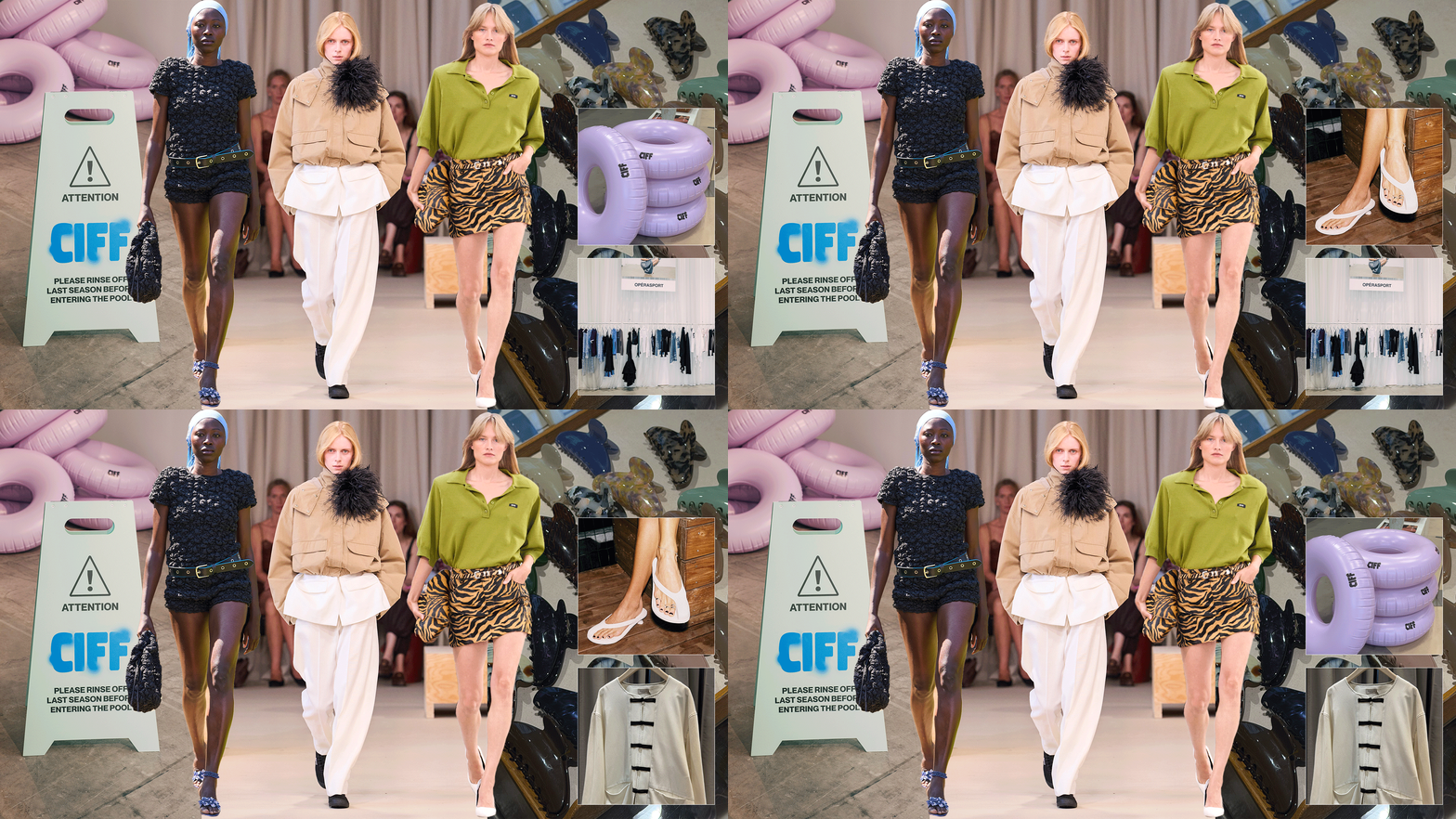
For the photo sequence, the editorial brief would alternate full-length views with details of pockets, cuffs and footwear. That order helps readers understand function before decoration. The project images used here are illustrative; the story is a demonstration of how an editor can connect practical copy with a visual rhythm inside the existing article design.
A day, not a dress code
A useful city wardrobe also allows repetition. Wearing the same reliable shoes with different combinations creates continuity, and repeating a jacket can help identify which colours or shapes genuinely work with it. The test is not whether every appearance looks entirely new. It is whether the clothes support the person and the activities that give the day its shape.
By evening, the strongest outfit is often the one that has required the least negotiation. It has made room for a longer walk, an unexpected stop and a change of plan. Personal style survives all those ordinary interruptions, becoming less like a fixed photograph and more like a way of moving comfortably through the world.