
An exhibition can create the feeling that everything must be seen before anything has been understood. Visitors move from one wall to the next, reading a label, taking a photograph and continuing. This fictional essay proposes a different beginning: choose one work that holds your attention and give it a little more time than the room initially seems to allow.
The choice does not need an explanation. It may be a colour, an unusual material or a detail that feels unresolved. Start with what is visible before looking for a larger interpretation. Notice the scale, the distance between parts and the way the object meets the space around it. These observations create a grounded starting point for later questions.
Stay with one work
Labels can add context, but they need not replace looking. Read the title and available information, then return to the work to see whether the new context changes your attention. If something remains unclear, record the question rather than forcing a conclusion. An exhibition does not become less valuable because the viewer leaves with uncertainty still intact.


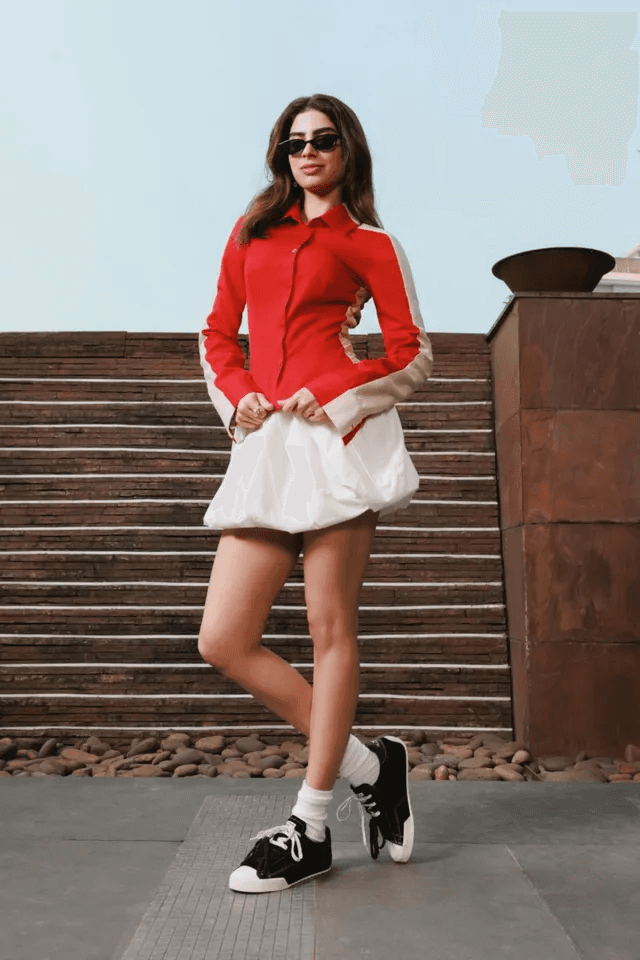
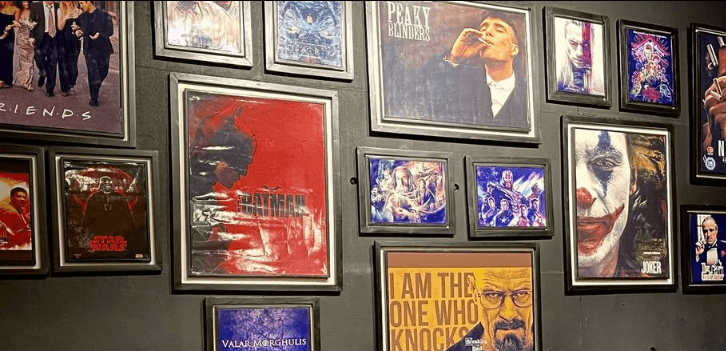
In an editorial feature, installation views and close details have different responsibilities. One locates a work in the room; the other reveals a surface or relationship that might be missed at a distance. The illustrative project images here demonstrate changing visual scale, while the copy models a measured tone that distinguishes observation from claims about an artist’s intention.
Carry a question outside
A short note after the visit can preserve more than a long list of titles. Describe one thing that changed as you looked, one detail you would like to see again and one question that remains. These notes need not sound like criticism. They are a record of an encounter and can make a later visit feel connected to an earlier one.
Looking slowly is not a competition in patience. Some works will pass without making a strong impression, while one may stay with you for days. The value lies in allowing that difference to exist. An attentive visit can be modest in its coverage and still generous in its curiosity, leaving a meaningful opening between the gallery and everyday life.