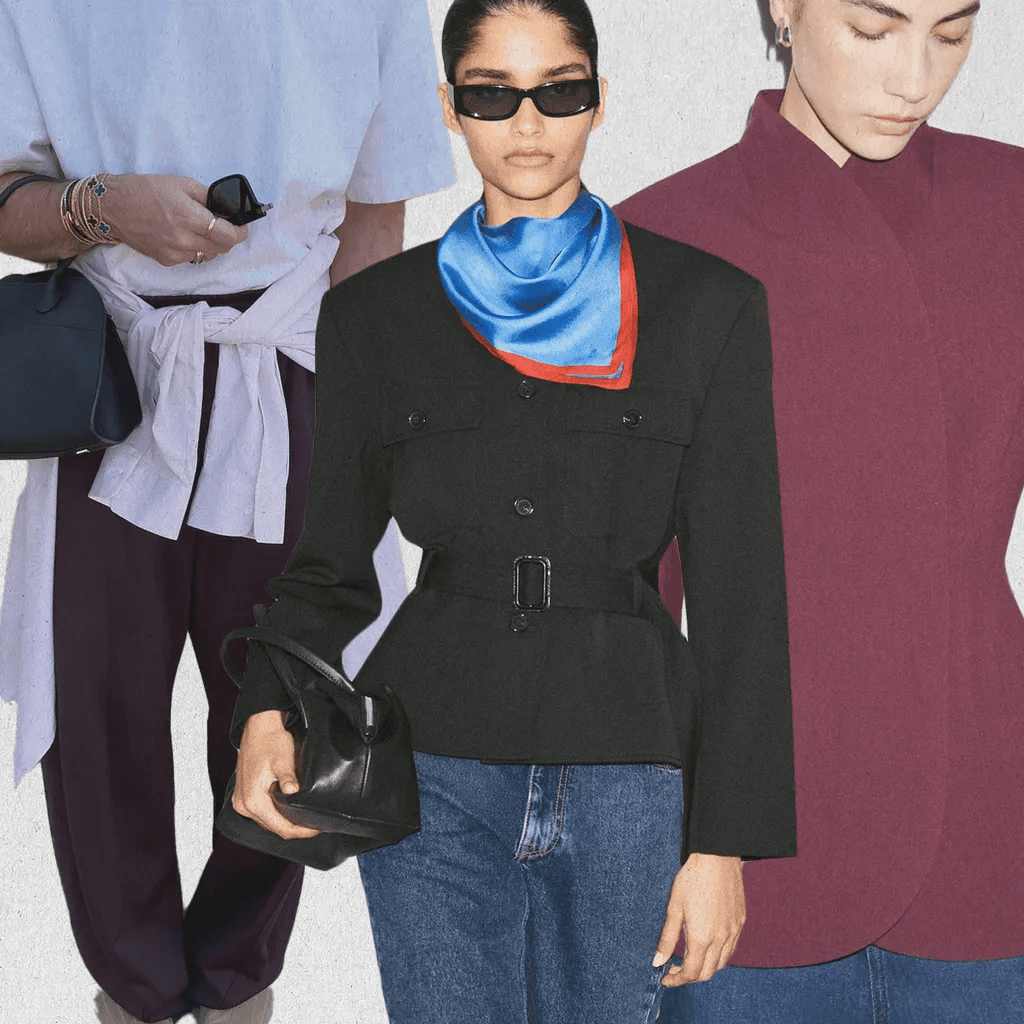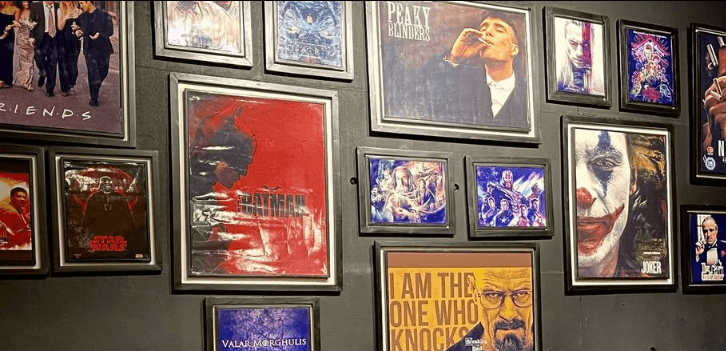
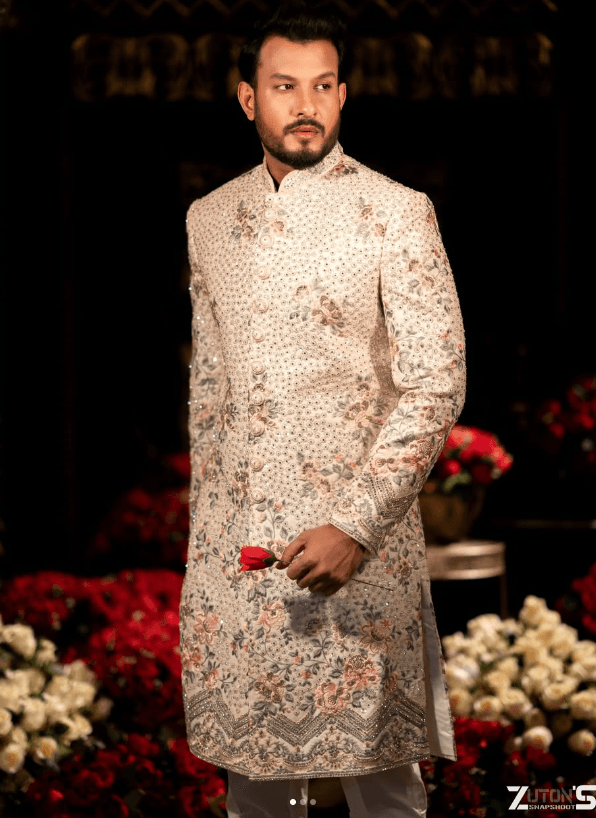
A small area of colour can change the balance of a portrait. It can echo a garment, interrupt a neutral palette or create a point of attention in an otherwise quiet image. This fictional beauty feature considers lipstick as a visual element in a styled photograph, rather than a product comparison or a claim about what every face should wear.
The imagined editorial begins with three references: the faded red of a theatre seat, a deep plum fabric and the warm pink of a painted wall. The team is not trying to reproduce each colour literally. The references establish a feeling, helping everyone discuss whether the finished image should be restrained, vivid, warm or slightly unexpected.
Choose a mood before a shade
Light changes the decision. A shade that looks strong under one source may appear softer near a window, while reflective fabric can introduce another colour into the frame. Test the whole composition in the conditions where it will be photographed. Clothing, background, skin and makeup need to be considered together because the camera records their relationships, not separate swatches.
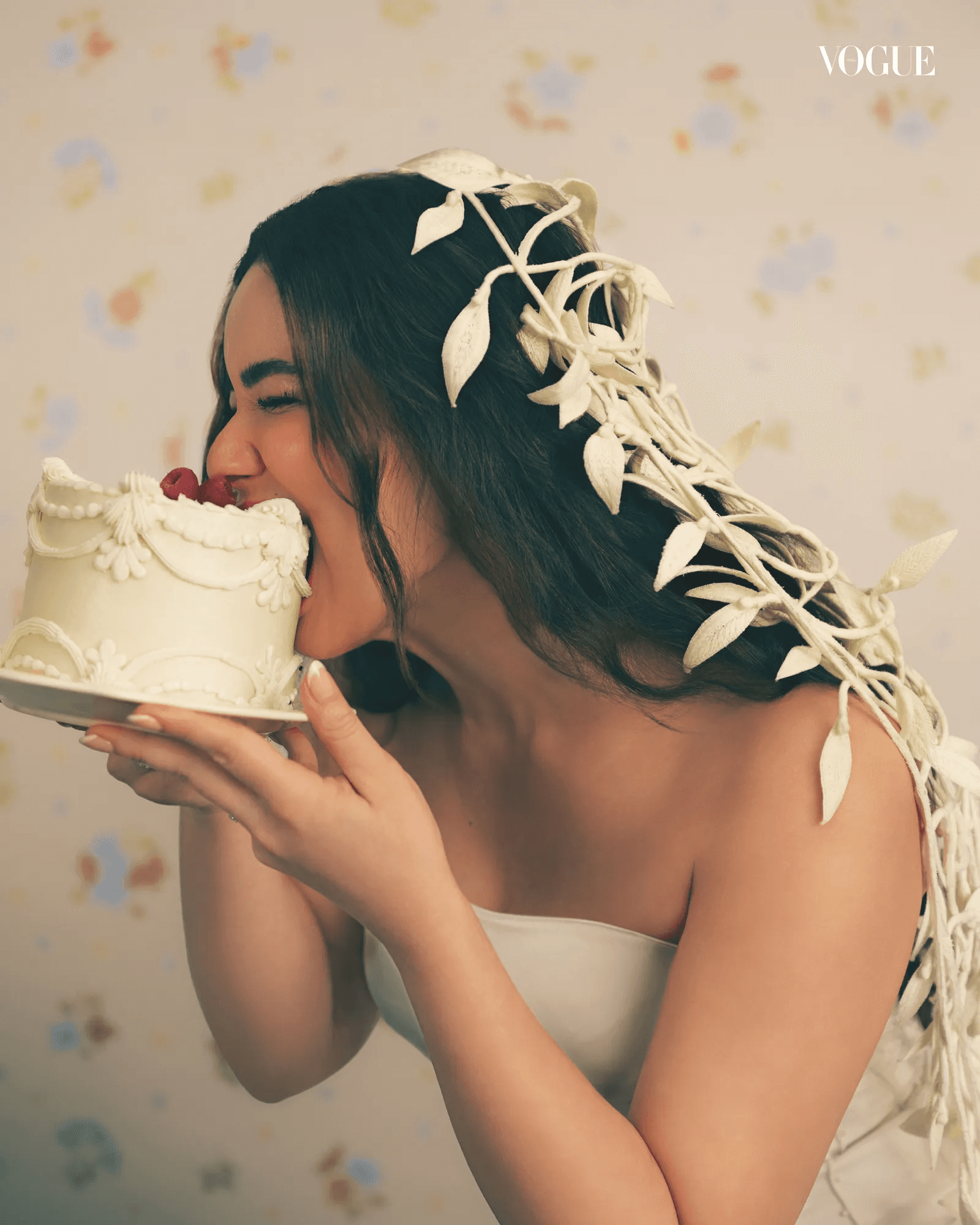
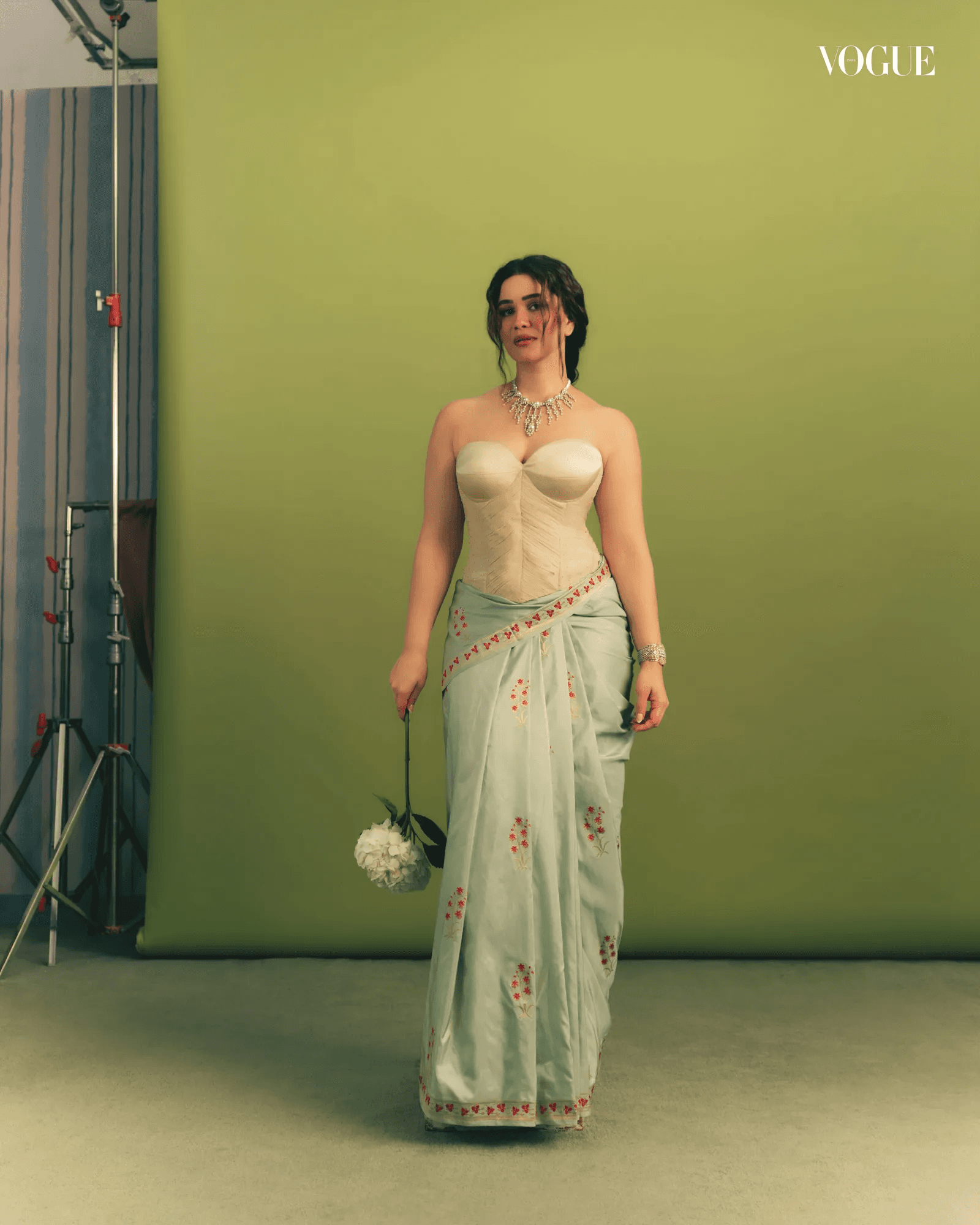
A useful image sequence shows more than a close-up. Start with the complete portrait, include a detail that makes the chosen colour legible and return to a wider frame with a different expression or angle. The project photographs here are illustrative, demonstrating the sequence rather than documenting a named product, makeup artist or commissioned beauty shoot.
Let one detail hold the frame
Restraint is sometimes the more expressive choice. If the lip colour carries the image, jewellery or background detail may need to become quieter. If the garment already supplies a strong statement, a softer colour can create balance. These are compositional possibilities, not rules about personal appearance; a good brief leaves room for the person in the photograph to feel comfortable.
The final image should explain the decision without requiring the reader to know every reference behind it. A successful colour story feels coherent, with one detail offering a way into the whole. That is why an apparently small styling choice deserves careful attention: it can become the punctuation that gives an editorial portrait its particular tone.