
Some of the most useful creative conversations happen before a piece of work is ready to explain itself. A friend sees a rough sketch, reads an unfinished paragraph or listens to an uncertain idea. This fictional feature considers the trust inside those moments, when the work is still changeable and the person sharing it may not yet know which question to ask.
In the imagined scene, two friends meet at a table with a notebook between them. One brings a project and the other brings attention. There is no claim that friendship automatically produces good criticism. The conversation becomes useful because they take time to establish what kind of response is wanted and how much of the work is still open to change.
Ask for the feedback you need
A specific request helps. Ask whether a sequence is understandable, whether an introduction creates the right expectation or which part of a proposal needs more explanation. This gives the listener somewhere to begin. It also prevents a broad reaction to taste from overwhelming a practical problem that could be solved with one clear adjustment.


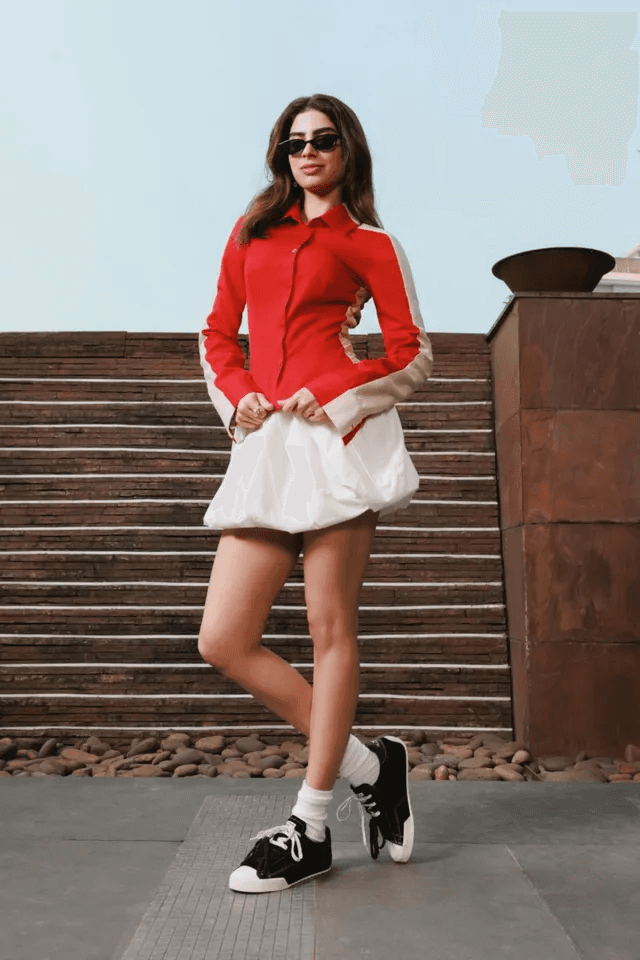
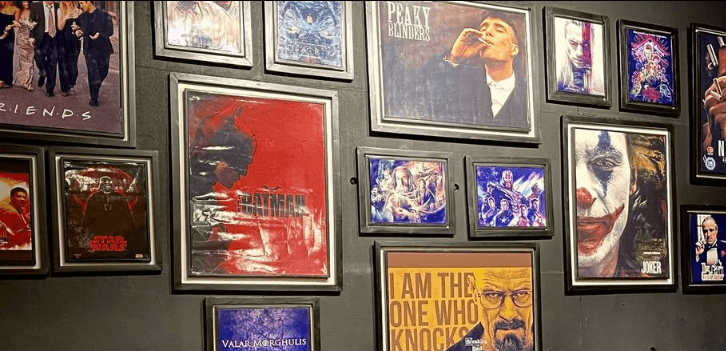
The visual story would include the shared space, the work itself and a detail that suggests the relationship without staging intimacy. Existing project photographs serve as illustrative images in this sample. The narrative is entirely invented, and the images should not be read as evidence of a real collaboration or a conversation with any identifiable person.
Protect the relationship around the work
Feedback can be generous without being agreeable. Describe what you understood, where attention changed and which question remained unanswered. Distinguish a personal preference from a problem in the work. The person receiving the response can then decide what to use, keeping responsibility for the project while benefiting from another way of seeing it.
After the notebook closes, the friendship continues beyond the assignment. That is part of its value. A creative relationship can hold ambition and ordinary life together, making room for uncertainty without turning every encounter into a review. The work may improve, but the deeper resource is the confidence that an unfinished idea can be shared and met with care.