
Personal taste is often described through decisive statements, but it can develop through much smaller acts of recognition. A colour feels familiar, a conversation leaves more energy than it takes and a room allows someone to relax. This fictional profile-style essay follows those observations as a way of thinking about confidence without turning it into a performance.
The imagined subject does not begin with a clear aesthetic or a list of principles. Instead, the story looks at repeated choices over time. Certain clothes are worn more often, certain projects receive more attention and certain social situations require more recovery. Patterns become visible when they are noticed without immediately being judged or converted into a new rule.
Pay attention to repeated choices
A useful exercise is to describe what works in concrete terms. Perhaps a garment allows movement, a working arrangement creates uninterrupted time or a friendship leaves room for disagreement. These descriptions make preferences easier to communicate. They also reveal where a choice belongs to personal experience rather than to the pressure of appearing a particular way to others.
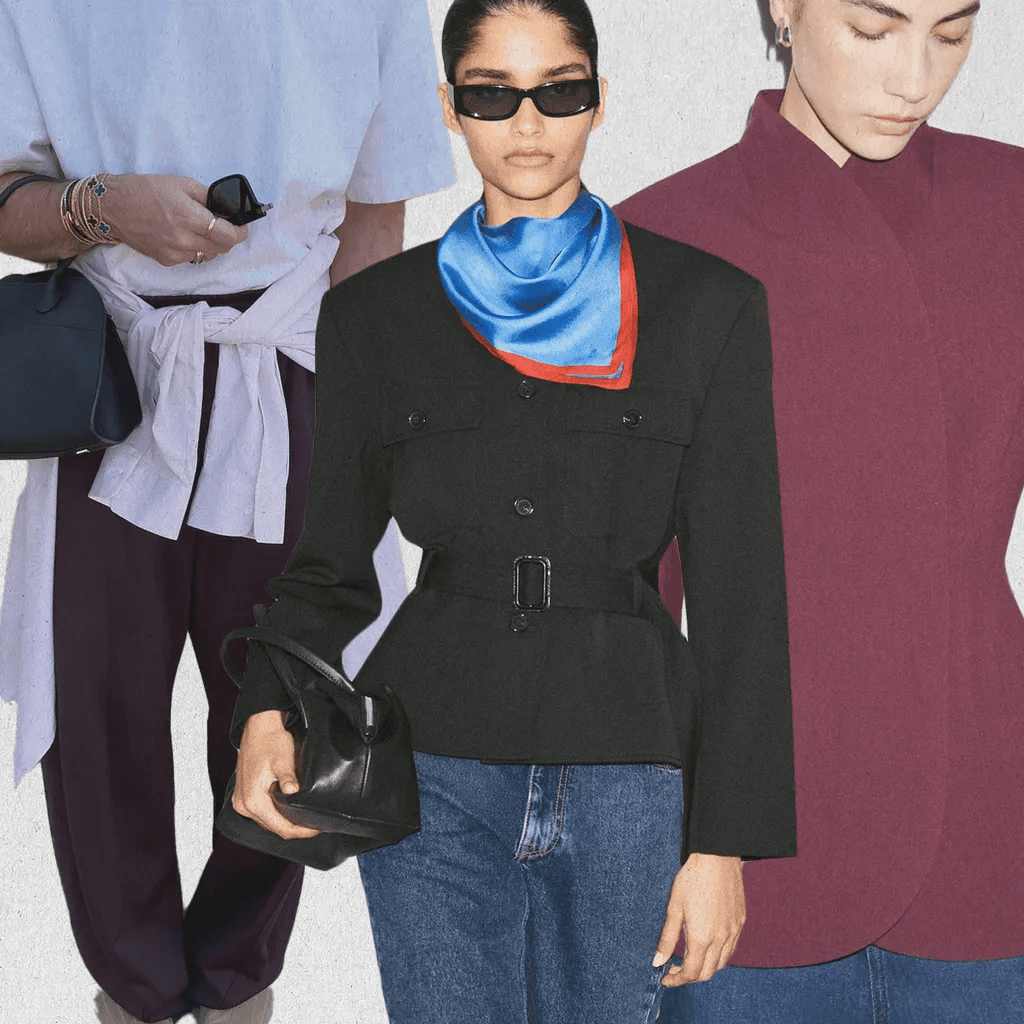

Portrait photography can support this quieter approach by allowing a range of expressions and gestures rather than demanding one definitive image. The pictures used in this sample are illustrative project assets. They do not depict a real interview subject, and no personal statements or quotations are attributed to the people shown in those existing photographs.
Confidence without a performance
Knowing a preference does not mean keeping it forever. Circumstances change, and a useful boundary at one point may need to be reconsidered later. Confidence can include that flexibility. It can mean making a choice with the information available, explaining it plainly and remaining open to learning something that makes a different choice more appropriate.
By the end of the imagined conversation, the subject has not become a simplified version of themselves. There are still contradictions, unfinished thoughts and areas of uncertainty. The quieter achievement is a clearer sense of what deserves attention. That clarity can be enough to make the next decision feel less like a performance and more like an honest response.