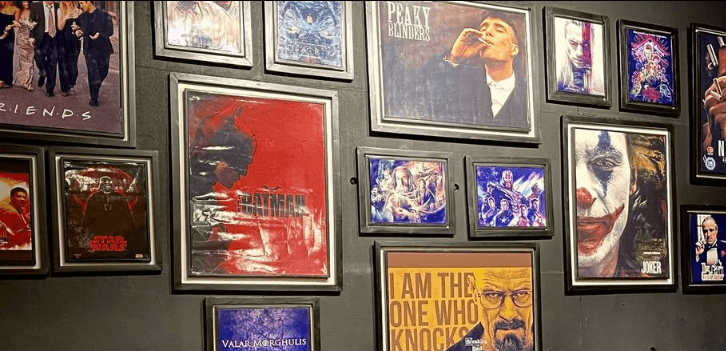
In our fictional studio, the first thing visible is not a finished collection but a table covered in paper. Curved lines, pencilled notes and pieces of tape record a series of decisions that will disappear inside the final garment. The room is small enough for every stage of work to remain in view, from the first sketch to the last fitting.
The sample story follows a single jacket. Its shape begins with a simple question about use: what should fit into the pockets, how much movement is needed at the shoulder and whether it will usually be worn open. These questions may sound modest, but they establish a more useful foundation than deciding how the finished piece should appear in a campaign.
The work before the photograph
A first sample makes the drawing answerable to a body. A seam that seemed elegant on paper may pull; a pocket may sit too low; a sleeve may need more room. The fitting is recorded with clear notes so changes can be traced. Good documentation keeps the next sample from repeating an error that everyone noticed but nobody wrote down.
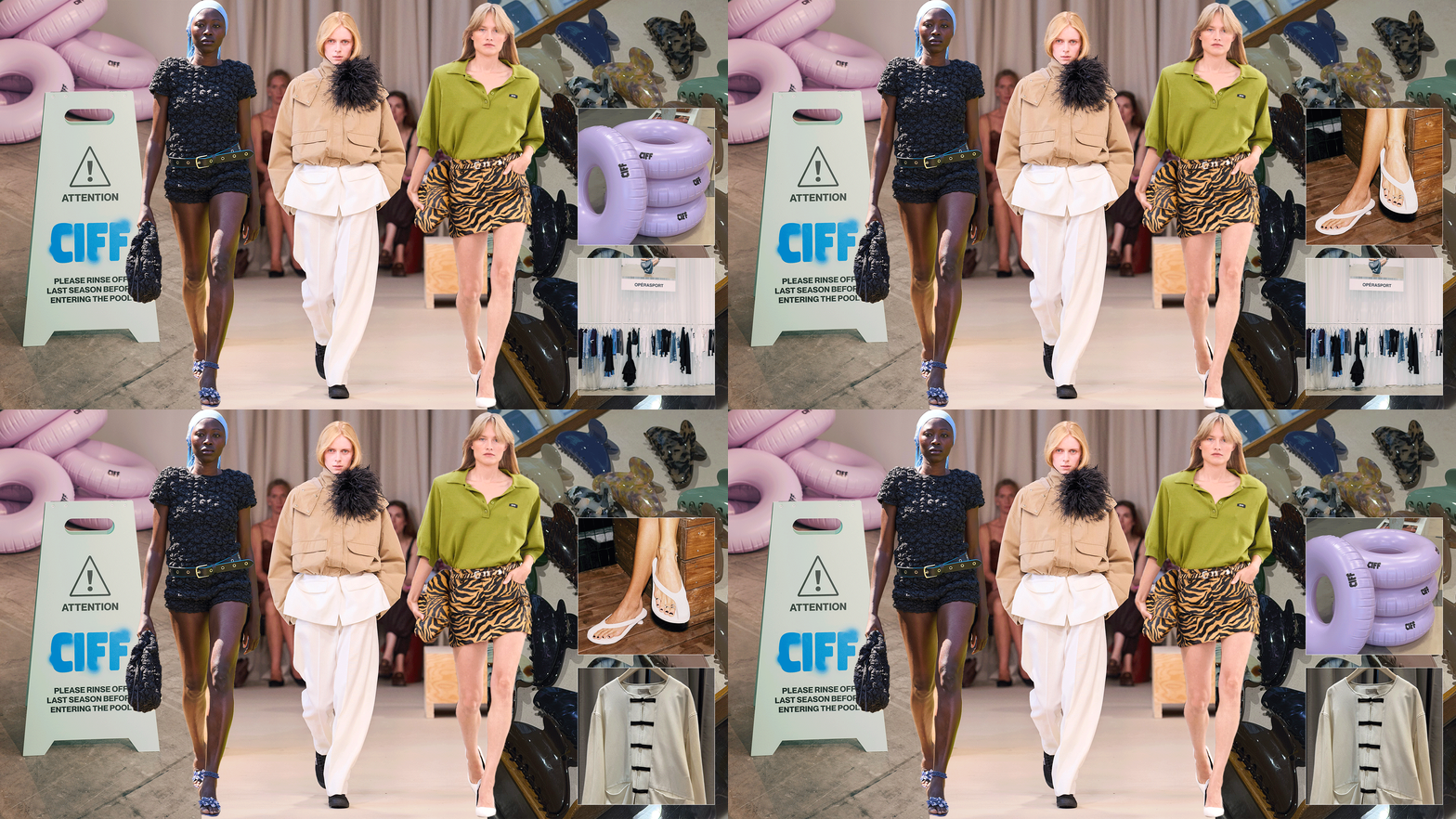
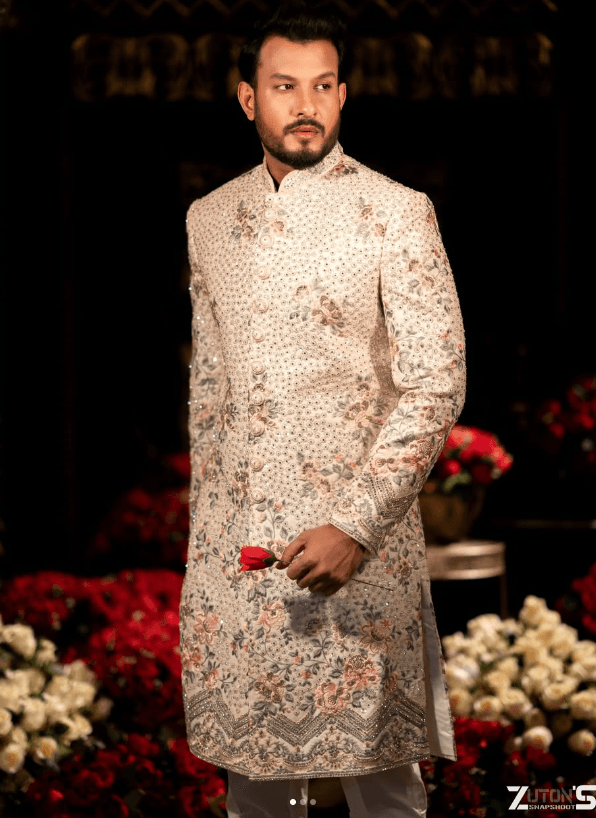
An editorial gallery can show this process without pretending to be a technical manual. Begin with the room, move toward the material and finish with the garment in use. The illustrative images in this sample stand in for that sequence. Their purpose is to demonstrate varied image placement while the text explains why the sequence matters.
Designing for a second season
The long view appears in smaller choices: a lining that can be repaired, buttons that can be replaced and a shape that works with clothes outside the collection. None of these details guarantees longevity on its own. Together, however, they make it easier for a garment to remain part of a wardrobe when the excitement of its first appearance has passed.
At the end of the imagined visit, the jacket returns to the rail with another note attached. The process is unfinished in a productive way. It still has a question to answer, a measurement to check and a person to fit. That ongoing attention is the real subject of the story, and the strongest reason to look beyond the final photograph.